Why can Secondary Sharpened Micro-Tip of Scissor Blades Reflect the Mature Grinding Technology of Stainless Steel Scissors Factory?
September 13, 2026
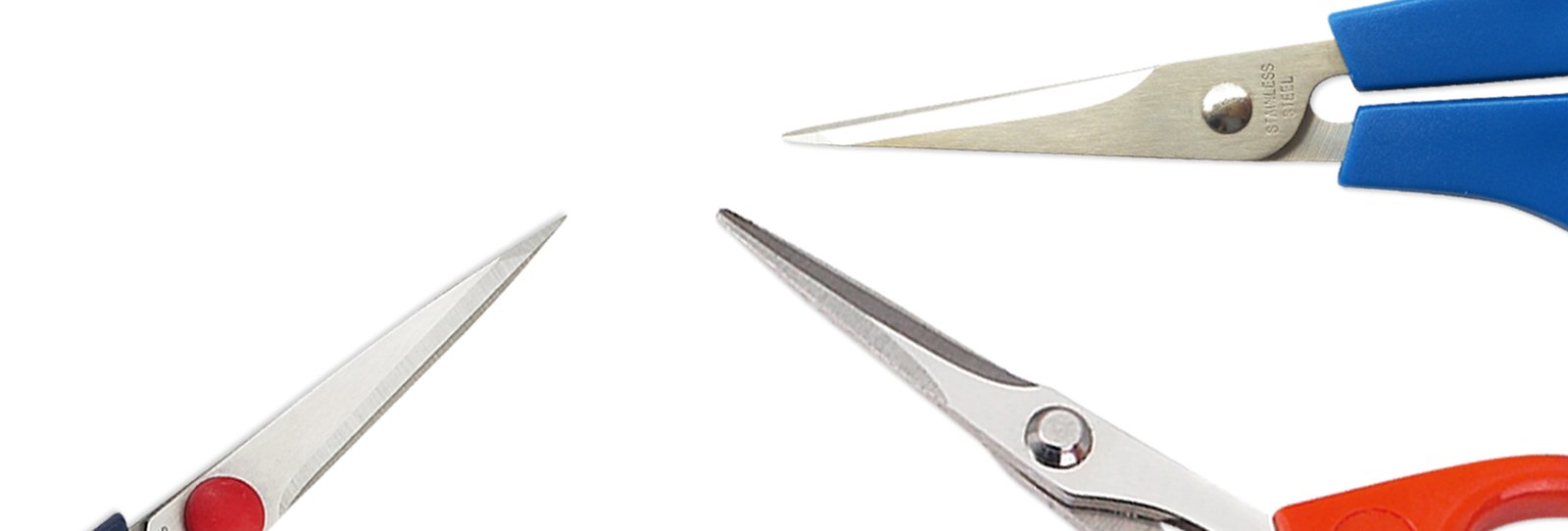
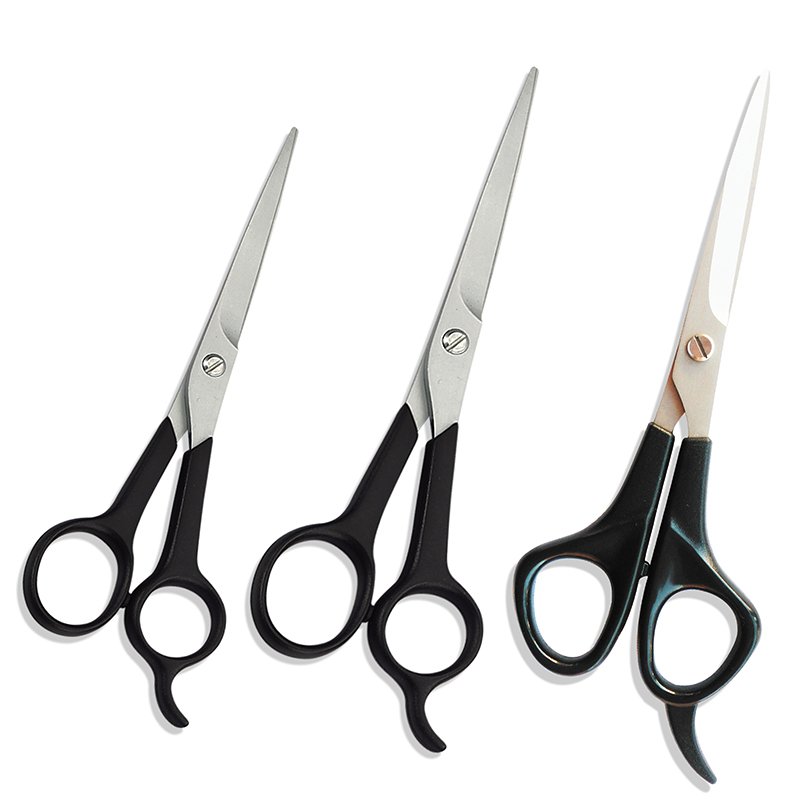
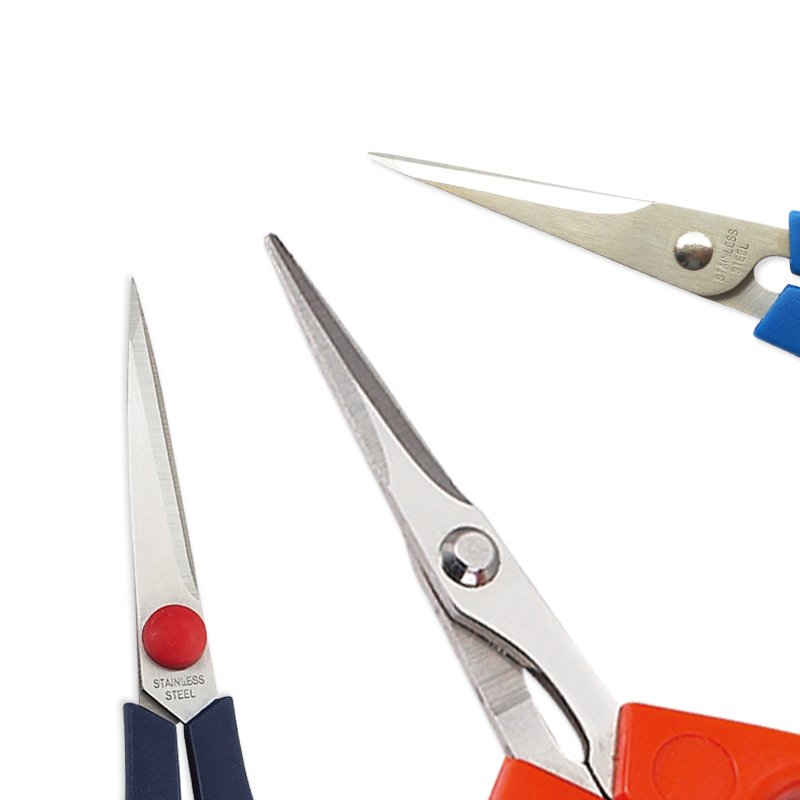
Firstly, it should be noted that the sharpened micro -tips of commonly used or industrial stainless steel scissors are not the kind that can be processed and formed in one stamping and cutting process. For example, small cosmetic scissors with micro -tip are processed and formed in one go. Some small scissors, because they use relatively thin and not very hard steel plates, can be formed into sharp scissor micro tips through stamping and cutting in one go. However, some highly practical stainless steel scissors require some thicker and harder steel plates for the production, and it is difficult to create sharpened scissor micro-tips through stamping and cutting in one go. Therefore, it is necessary to use secondary directional fine grinding to sharpen the scissor tips, making them thinner than the cutting edge, smoother in taper and more precise in cutting.
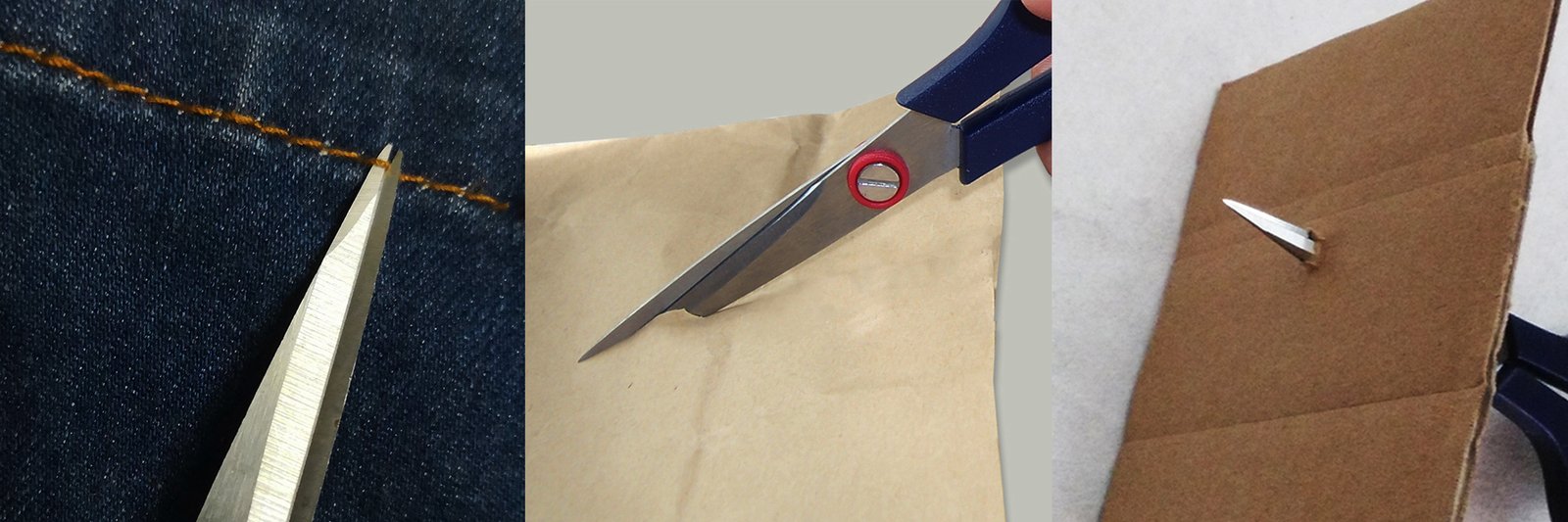
Scissors with secondary grinding and sharpened micro-tip have functions such as cutting, picking, and poking, mainly used for complex and fine cutting. Sharpened micro-tip scissors for sewing can easily penetrate narrow seam spaces such as cuffs, necklines, and skirt pleats, accurately picking or cutting small targets such as floating threads and fine lines, without scratching the fabric at all. Sharpened micro-tip scissors for fruit picking, especially for some soft fruits such as grapes and berries, can only cut fruit branches without damaging the fruit. Sharpened micro-tip scissors for pruning can cleverly avoid useful branches, leaves, and tender shoots, and only cut residual branches and dead leaves. Sharpened micro scissors for office do not need to cut from the edge of the paper, but can directly pierce any part of the paper for fine cutting. They can even be used as an awl to pierce through thick cardboard cleanly.
However, this seemingly simple secondary grinding sharpened technique has stumped many stainless steel scissor factories. Firstly, the stainless steel used in highly practical stainless steel scissors is relatively thick and hard, and becomes even harder after heat treatment. During secondary grinding, the temperature of the scissor blades increases sharply under the friction of the high-speed running grinding wheel. If not handled properly, the scissor blades may be carbonized, and the sharpened pointed-tip is gray black, hard, and brittle, which is easy to break. Some steel plates with high carbon content such as 3Cr13 stainless steel are more so. Secondly, during secondary grinding, the wedge angle of the pointed edge should be controlled within the range of 15 °~30 °, taking into account both sharpness and fracture toughness. Another aspect is trajectory control. The secondary grinding must follow the original inclined angle of the tip in a unidirectional manner to prevent curled edges and burrs on the cutting edge. Each step of these tasks cannot be separated from advanced equipment and mature grinding technology.
Only stainless steel scissor factories with mature grinding processes can constantly explore and practice in this seemingly simple secondary grinded sharpening technology, and have the ability to produce smooth, sharp, and hard scissor micro tips with secondary grinding sharpened craftsmanship.
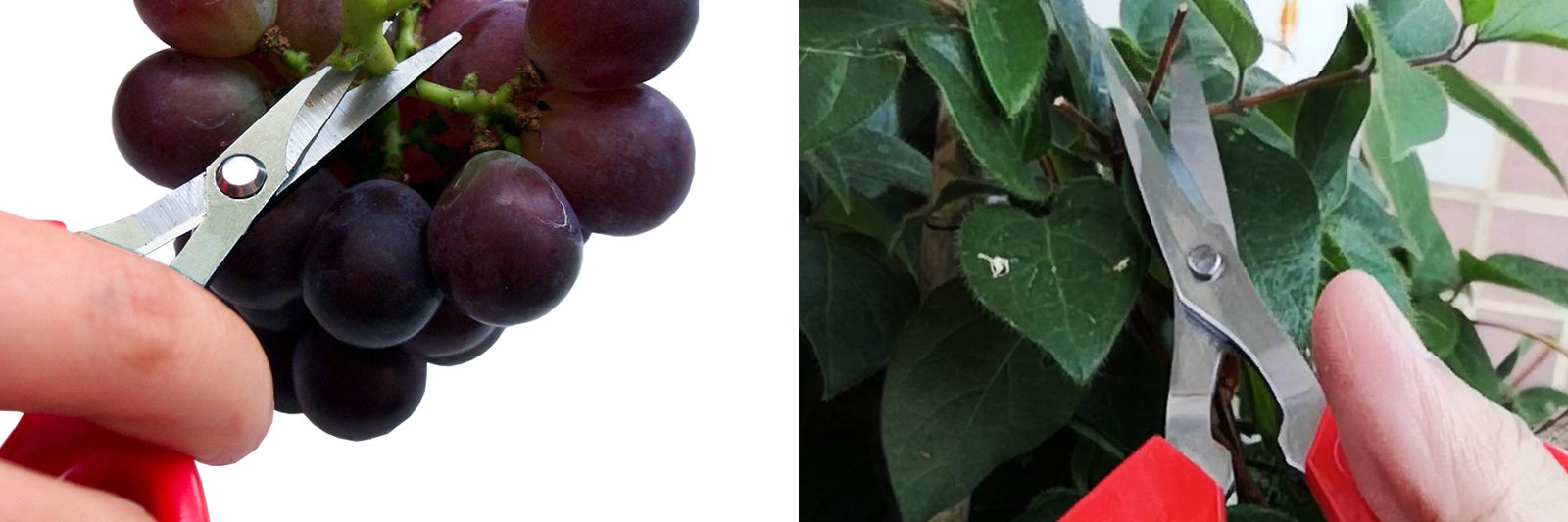
About this fruit picking scissors, for the details, please visit our 6″ Portable Fruit Picking Scissors with Sharpened Micro Tip and Soft PVC Handle.
I am Phoenix, a reliable stainless steel scissors manufacturer based in Yangjiang, China. If you have any questions about stainless steel scissors, feel free to leave a message, my team and I will provide you with professional answers and support.
Related Posts
Why do we test the using performance of our hair scissors by cutting flexible facial tissues?
Mirror Finish Scissors and Satin Finish Scissors
Why does the lead time for our stainless steel scissors bulk customization order need to take about 50 days?

The 25th China (Yangjiang) International Hardware Knives and Scissors Expo will open on October 20th this year
Micro-Serrated or Fully Smooth Blade Edge Stainless Steel Tailor Scissors: Which to Select?
How to Test the Cutting Performance of Stainless Steel Tailor Shears?
Pivot Screw vs Rivet Assembly Stainless Steel Scissors: B2B Buyers Guide
Why isn’t 3Cr13 stainless steel the preferred steel for most stainless steel scissors factories?
Can the Plastic-Handled Stainless Steel Tailor Scissors Normal Use in Extremely Cold Environments?
Why can Secondary Sharpened Micro-Tip of Scissor Blades Reflect the Mature Grinding Technology of Stainless Steel Scissors Factory?
Why We Refuse Low-Price Orders That Sacrifice Scissors Quality?
Why Hanging Racks Matter to Stainless Steel Scissors Factory?
Stainless Steel Scissors vs Carbon Steel Shears: Which Is Better for Your Choice?